
Ensuring Long-Term Durability in Steel Structures
In modern construction, durability is a key factor that determines the long-term success of any project.
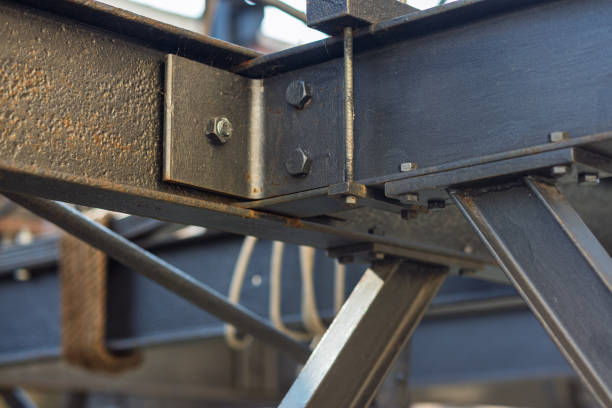
Ensuring long-term durability in steel structures is essential for maintaining safety, performance, and cost efficiency over time. Steel is known for its strength and versatility, but without proper planning and maintenance, even the best structures can degrade.
This is why ensuring long-term durability in steel structures requires a comprehensive approach that includes design, material selection, protection methods, and regular inspection. By applying the right strategies, engineers and project managers can significantly extend the lifespan of steel structures.
High-Quality Material Selection
The foundation of ensuring long-term durability in steel structures begins with selecting high-quality materials. Different grades of steel offer varying levels of strength, corrosion resistance, and performance.
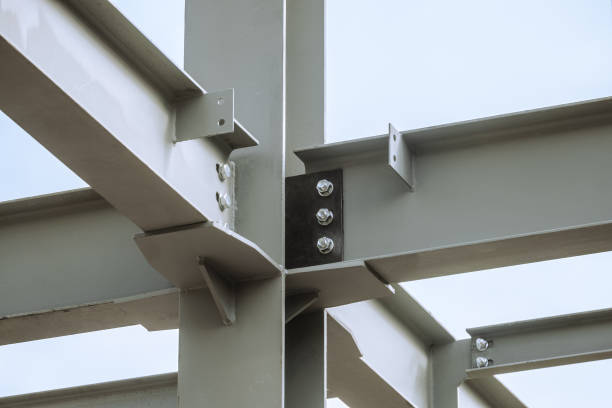
Using certified and tested materials is critical for ensuring long-term durability in steel structures, as it reduces the risk of defects and improves overall structural reliability.
Protective Coatings and Treatments
One of the most effective ways of ensuring long-term durability in steel structures is applying protective coatings. Paint systems, galvanization, and specialized coatings create a barrier against moisture, chemicals, and environmental exposure.
These treatments play a vital role in ensuring long-term durability in steel structures, especially in harsh climates or industrial environments.
Proper Structural Design
Design plays a crucial role in ensuring long-term durability in steel structures.
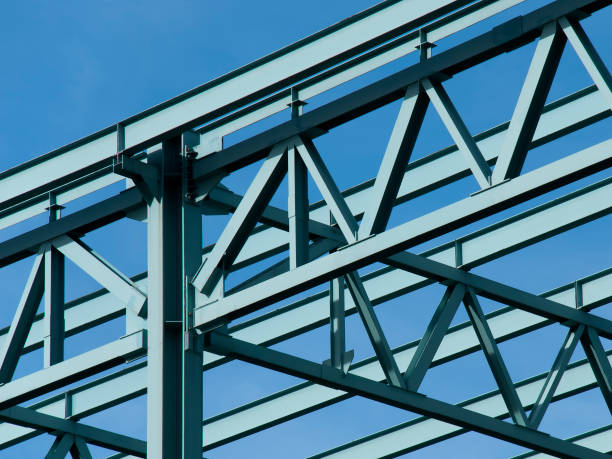
Engineers must consider factors such as load distribution, drainage, and accessibility for maintenance.
Good design practices help prevent issues like water accumulation and stress concentration, which supports ensuring long-term durability in steel structures.
Corrosion Prevention Strategies
Corrosion is one of the biggest threats to steel, and addressing it is key to ensuring long-term durability in steel structures. In addition to coatings, methods such as cathodic protection and the use of corrosion-resistant alloys can be applied.
Implementing these strategies is essential for ensuring long-term durability in steel structures in challenging environments.
Regular Inspection and Maintenance
Routine inspection is a fundamental part of ensuring long-term durability in steel structures.
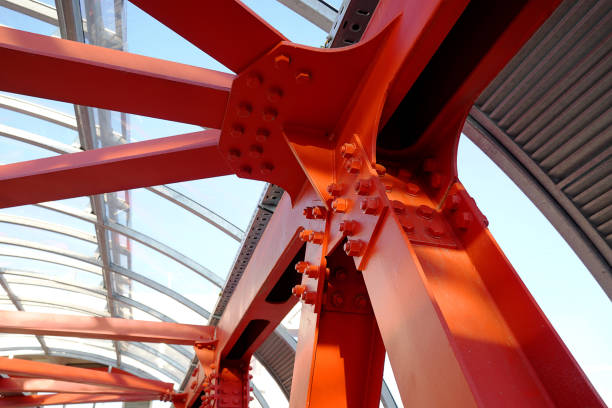
Regular checks help detect early signs of wear, corrosion, or damage.
Timely maintenance ensures that small issues do not become major problems, making inspection a critical factor in ensuring long-term durability in steel structures.
Environmental Considerations
Environmental conditions have a significant impact on steel performance. Factors such as humidity, temperature changes, and exposure to chemicals must be considered when ensuring long-term durability in steel structures.
Designing structures based on environmental conditions helps improve resistance and supports ensuring long-term durability in steel structures over time.
Quality Fabrication and Installation
The fabrication and installation stages are critical for ensuring long-term durability in steel structures. Precision in manufacturing and proper assembly ensure that components fit correctly and perform as intended.
High-quality workmanship is essential for ensuring long-term durability in steel structures, as poor fabrication can lead to premature failure.
Load Management and Structural Integrity
Managing loads effectively is another key factor in ensuring long-term durability in steel structures. Overloading or improper load distribution can weaken the structure over time.
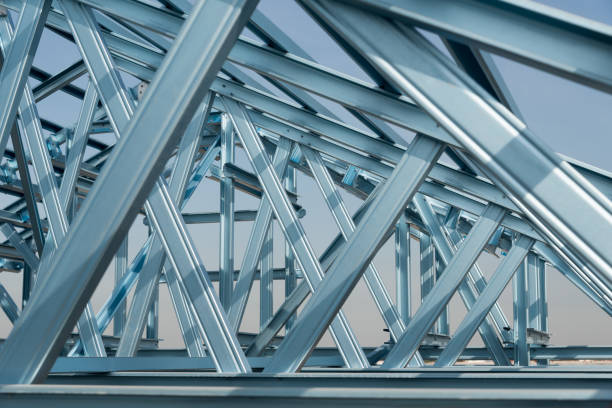
Engineers must ensure that the structure is designed to handle expected loads, which is essential for ensuring long-term durability in steel structures.
Use of Modern Technology
Technology has improved the process of ensuring long-term durability in steel structures. Monitoring systems, sensors, and advanced analysis tools allow engineers to track structural performance in real time.
These innovations make it easier to maintain and improve ensuring long-term durability in steel structures, reducing risks and enhancing efficiency.
Adaptability and Future Upgrades
Flexibility is also important in ensuring long-term durability in steel structures. Structures that can be easily modified or expanded are more likely to remain useful over time.
Planning for future upgrades supports ensuring long-term durability in steel structures, allowing buildings to adapt to changing needs.
Conclusion
Ensuring long-term durability in steel structures is a multifaceted process that involves careful planning, quality materials, effective protection, and continuous maintenance. By addressing all these factors, engineers can create structures that remain strong, safe, and efficient for decades.
As construction technologies continue to evolve, new methods will further enhance ensuring long-term durability in steel structures, making them even more reliable and sustainable for the future.
Frequently Asked Questions (FAQ)
What affects the durability of steel structures?
Factors include material quality, environmental conditions, design, and maintenance practices.
How can corrosion be prevented in steel structures?
Through coatings, galvanization, and regular inspection.
How often should steel structures be maintained?
Maintenance frequency depends on environmental exposure but should be performed regularly.
Can steel structures last for decades?
Yes, with proper design and maintenance, they can last for many decades.
Is maintenance necessary for steel structures?
Yes, regular maintenance is essential for ensuring long-term durability and safety.