
Why Pre-Engineered Buildings Are the Future of Construction
Introduction
The construction industry is evolving rapidly, driven by the need for faster delivery, cost efficiency, and sustainable solutions. In this transformation, pre-engineered buildings have emerged as a revolutionary approach that is reshaping how structures are designed and built.
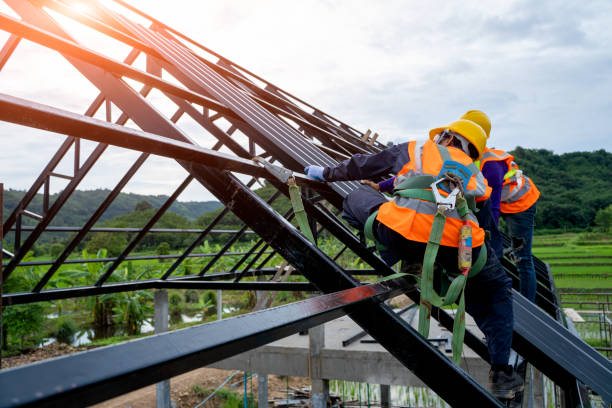
Today, pre-engineered buildings are widely used in industrial, commercial, and even residential projects due to their flexibility and performance.
As global demand for efficient construction continues to rise, pre-engineered buildings are becoming a preferred choice for developers and engineers. Understanding why pre-engineered buildings are considered the future of construction highlights their growing importance in modern infrastructure.
Speed and Efficiency in Construction
One of the main reasons pre-engineered buildings are gaining popularity is the speed at which they can be completed. Unlike traditional construction methods, pre-engineered buildings are manufactured in controlled factory environments and then assembled on-site.
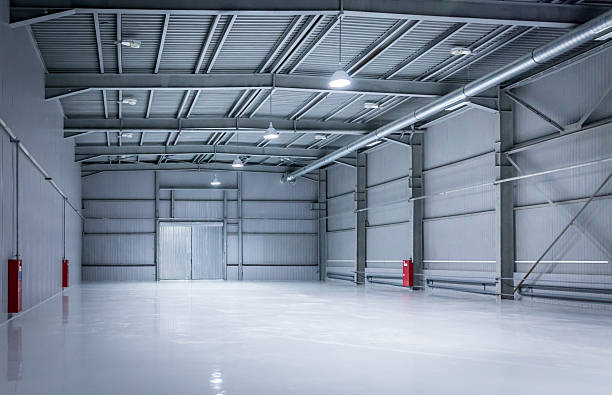
This process significantly reduces construction time, allowing projects to be completed faster than conventional methods. Businesses benefit from quicker project delivery, and pre-engineered buildings help reduce labor costs and minimize delays.
Cost Effectiveness
Cost efficiency is a major factor driving the adoption of pre-engineered buildings. Since components are prefabricated with precision, material waste is minimized. Additionally, the reduced construction time leads to lower labor expenses.
Over the long term, pre-engineered buildings require less maintenance compared to traditional structures. This combination of lower initial and operational costs makes pre-engineered buildings an attractive investment.
Design Flexibility
Modern projects demand adaptable and innovative designs, and pre-engineered buildings offer exceptional flexibility. Engineers can customize pre-engineered buildings to meet specific project requirements, including size, layout, and functionality.
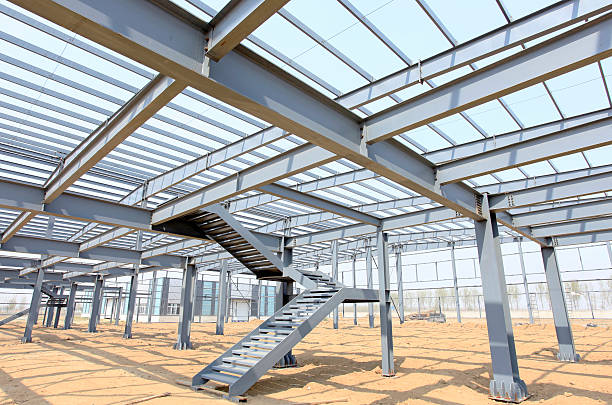
Whether it is a warehouse, factory, or commercial facility, pre-engineered buildings can be tailored to suit various applications. This flexibility allows architects and engineers to create efficient and visually appealing structures.
High Structural Performance
Despite being lightweight, pre-engineered buildings are designed to deliver high structural performance. Advanced engineering techniques ensure that pre-engineered buildings can withstand heavy loads, strong winds, and seismic forces.
The use of high-quality steel components enhances the strength and durability of pre-engineered buildings, making them reliable for demanding environments.
Sustainability and Environmental Benefits
Sustainability is a key consideration in modern construction, and pre-engineered buildings align well with environmentally friendly practices. The manufacturing process of pre-engineered buildings reduces waste and optimizes material usage.
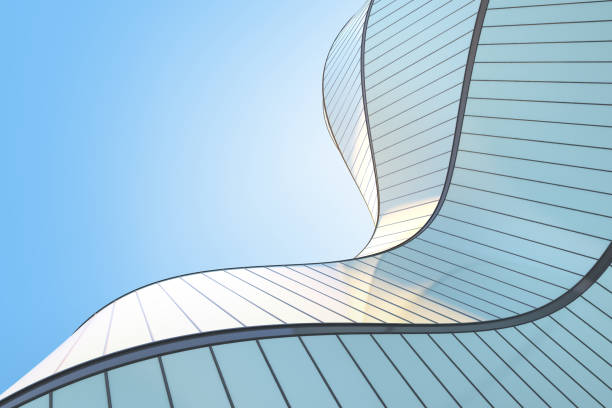
Additionally, many pre-engineered buildings are constructed using recyclable materials. Their energy-efficient designs also contribute to reducing the overall environmental impact, making pre-engineered buildings a sustainable solution for future construction.
Reduced Construction Errors
Because pre-engineered buildings are fabricated in controlled environments, the chances of human error are significantly reduced. Each component is designed and manufactured with precision, ensuring consistency and quality.
This level of accuracy improves the overall reliability of pre-engineered buildings and reduces the likelihood of costly mistakes during installation.
Large Clear Span Spaces
One of the defining features of pre-engineered buildings is their ability to create large, column-free spaces. This makes pre-engineered buildings ideal for applications such as warehouses, factories, sports facilities, and aircraft hangars.
The ability to maximize usable space enhances operational efficiency and provides greater flexibility in interior layout design.
Easy Installation and Expansion
Installation of pre-engineered buildings is straightforward and efficient. Components are delivered ready for assembly, which simplifies the construction process and reduces the need for specialized labor.
In addition, pre-engineered buildings can be easily expanded or modified as business needs grow. This adaptability makes them a future-proof solution for many industries.
Integration with Modern Technologies
As industries move toward automation and smart systems, pre-engineered buildings provide the ideal infrastructure. These buildings can easily accommodate advanced technologies such as automation systems, sensors, and energy management solutions.
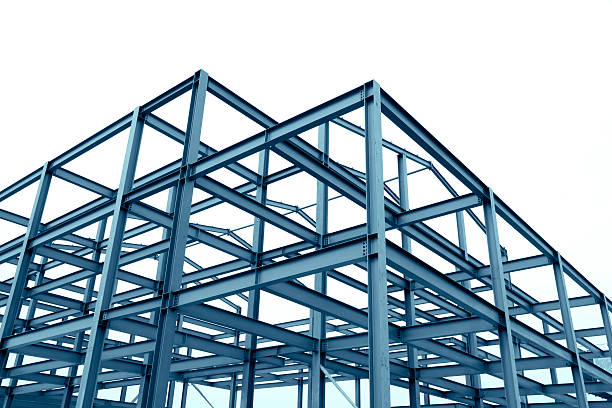
In industrial settings, pre-engineered buildings support modern production lines and smart warehouse systems, making them essential for the future of manufacturing and logistics.
Improved Quality Control
Quality control is a major advantage of pre-engineered buildings. Since all components are manufactured in factories under strict supervision, the final product meets high standards of accuracy and performance.
This consistency ensures that pre-engineered buildings deliver reliable performance and long-term durability.
Conclusion
There is no doubt that pre-engineered buildings represent the future of construction. Their speed, cost efficiency, flexibility, and sustainability make pre-engineered buildings an ideal solution for modern building challenges.
As technology continues to advance and the demand for efficient construction grows, pre-engineered buildings will play an increasingly important role in shaping the built environment. Their ability to adapt to changing needs ensures that pre-engineered buildings will remain at the forefront of construction innovation.
Frequently Asked Questions (FAQ)
What are pre-engineered buildings?
Pre-engineered buildings are structures that are designed and manufactured in factories and then assembled on-site.
Why are pre-engineered buildings faster to construct?
Because the components are prefabricated, reducing on-site work and speeding up installation.
Are pre-engineered buildings cost-effective?
Yes, they reduce material waste, labor costs, and long-term maintenance expenses.
Can pre-engineered buildings be customized?
Yes, they can be designed to meet specific size, layout, and functional requirements.
Are pre-engineered buildings durable?
Yes, they are made from high-quality materials and designed to withstand various environmental conditions.