
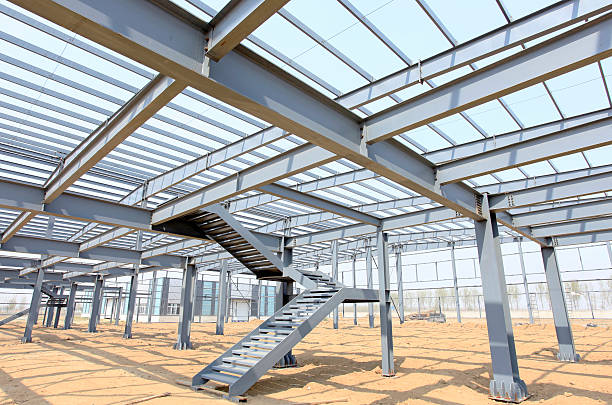
Quality Control in Steel Manufacturing: Why It Matters
Introduction
In the world of modern construction, quality control in steel manufacturing is one of the most critical aspects of ensuring safety, durability, and efficiency.
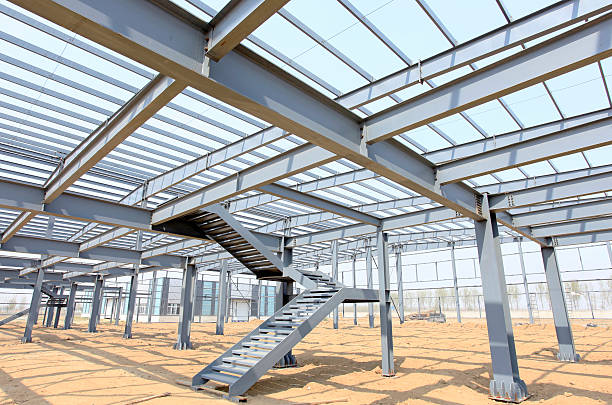
Steel is the backbone of countless structures, from skyscrapers to industrial warehouses, and its performance depends heavily on meticulous quality control in steel manufacturing. Without proper oversight, even the strongest steel can fail, leading to costly repairs, safety hazards, and project delays.
This article explores why quality control in steel manufacturing is essential, the processes involved, and how it ensures that steel products meet rigorous industry standards.
The Importance of Quality Control
Steel structures are relied upon to withstand extreme loads, environmental conditions, and the test of time. Quality control in steel manufacturing ensures that every product meets these demands. Without it, defects such as cracks, impurities, or weak welds can compromise the integrity of steel components.
Effective quality control in steel manufacturing protects against material failure, enhances structural safety, and maintains the reputation of manufacturers and construction firms alike.
Material Inspection and Verification
One of the first steps in quality control in steel manufacturing is the inspection and verification of raw materials. Steel mills receive large quantities of raw metal, which must be tested for:
- Chemical composition
- Mechanical properties
- Surface quality

Material Inspection and Verification
By conducting these checks, quality control in steel manufacturing ensures that only materials meeting the required standards move forward in the production process.
Process Monitoring
During production, quality control in steel manufacturing involves continuous monitoring of processes such as:
- Melting and casting
- Rolling and shaping
- Welding and assembly
Consistent monitoring allows manufacturers to detect and correct deviations early, reducing the risk of defective products. This step is crucial for maintaining the uniformity and strength of steel components.
Non-Destructive Testing
A key component of quality control in steel manufacturing is non-destructive testing (NDT). Techniques such as ultrasonic testing, X-ray inspection, and magnetic particle testing allow manufacturers to evaluate the internal structure and surface integrity of steel without causing damage.
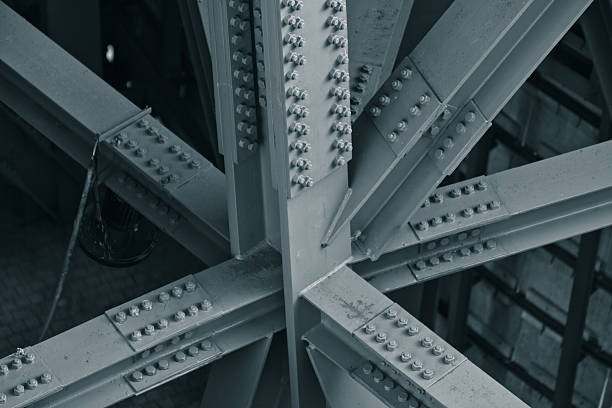
Using NDT, quality control in steel manufacturing can identify hidden defects that might compromise performance, ensuring the final product is safe and reliable.
Dimensional Accuracy
Dimensional precision is vital in steel structures. Quality control in steel manufacturing involves measuring and verifying that every component meets exact specifications. Even minor deviations can affect assembly, load distribution, and overall structural performance.
Ensuring dimensional accuracy during quality control in steel manufacturing helps avoid costly adjustments and ensures seamless integration of steel components on-site.
Welding and Joint Inspection
Welded connections are critical to the strength of steel structures. Quality control in steel manufacturing includes careful inspection of welds for:
- Proper penetration
- Uniformity
- Absence of cracks or defects
By monitoring welding quality, manufacturers ensure that steel assemblies perform as intended and maintain structural integrity throughout their lifespan.
Traceability and Documentation
Quality control in steel manufacturing also involves meticulous record-keeping. Every batch of steel is tracked, and inspection reports are documented to ensure traceability. This allows manufacturers and engineers to identify and address issues quickly if defects are discovered later.
Traceability strengthens accountability and provides confidence that steel components meet regulatory and project-specific standards.
Compliance with Standards
Adhering to international and local standards is a key aspect of quality control in steel manufacturing. Standards such as ASTM, ISO, and EN define requirements for chemical composition, mechanical properties, and testing procedures.

By following these standards, quality control in steel manufacturing ensures that steel products are reliable, safe, and compatible with modern construction practices.
The Role of Technology
Advancements in technology have transformed quality control in steel manufacturing. Automated inspection systems, digital sensors, and real-time monitoring allow for faster, more accurate quality checks. These tools enhance efficiency while maintaining high standards, ensuring that steel products consistently meet or exceed expectations.
Conclusion
Quality control in steel manufacturing is not optional—it is essential. From material selection to final inspection, every step in the process contributes to the reliability, safety, and performance of steel structures. Effective quality control ensures that steel can perform its role as the backbone of modern construction, supporting buildings, bridges, and industrial facilities worldwide.
Frequently Asked Questions (FAQ)
What is quality control in steel manufacturing?
Quality control in steel manufacturing is the process of monitoring, testing, and verifying steel products to ensure they meet safety and performance standards.
Why is quality control important?
It prevents material defects, enhances structural safety, and ensures that steel components perform as intended over time.
What testing methods are used in steel manufacturing quality control?
Common methods include non-destructive testing, chemical analysis, and dimensional inspections.
How does quality control affect construction projects?
It ensures reliable steel components, reducing the risk of structural failure and project delays.
Can quality control in steel manufacturing be automated?
Yes, modern technologies such as automated sensors and digital monitoring systems enhance efficiency and accuracy.